
In Training or Trainning, I paused in work and school tasks, typed a word, felt unsure, and faced spelling confusion daily.In real situations, emails, resumes, job applications, and workplace documents show how a small difference can affect professional writing. One wrong letter may change how others judge your skills, so choosing the correct form from the start saves unnecessary doubt and keeps your message sharp. The answer stays simple: training is always right, while trainning is a mistake caused by unclear English rules that are not always obvious.
When teaching learners and professionals, I explain correct spelling, incorrect spelling, and how a spelling mistake affects clarity and confidence. This article breaks down spelling rules, shows real-life usage, provides examples, and shares expert tips to avoid mistakes and fix common mistakes. You must understand word formation, especially the double consonant rule in English learners’ writing skills. The direct answer and simple answer confirm that the correct form is training, while incorrect form like trainning is a misspelling, a spelling error, and not proper spelling. With practice and improvement, your grammar, vocabulary, and language learning improve for future usage and correct usage every time.
I once shared a successful photo on my profile on social media after a gym workout, but wrote trainning, and it looked wrong even when alone. These common spelling slips happen because English sometimes trips students, native speakers, and even experts. The good news is the answer is short, there is no debate, no regional exception, just memorize and stay clear. Many people pause and wonder why this small issue appears often in writing. At first glance, it seems harmless; however, using the wrong form can affect professionalism. It is important to know the reason behind the error so it does not happen frequently in everyday communication. These mistakes seem small, but they leave poor impression. Moreover, in academic work, accuracy matters more. This article clearly explains how to avoid errors so by the end you feel confident and write without hesitation, knowing which word is, are, and how you, your logic using the, and, but, because, not, how, where, why, only, yet, even, one rule can get it right.
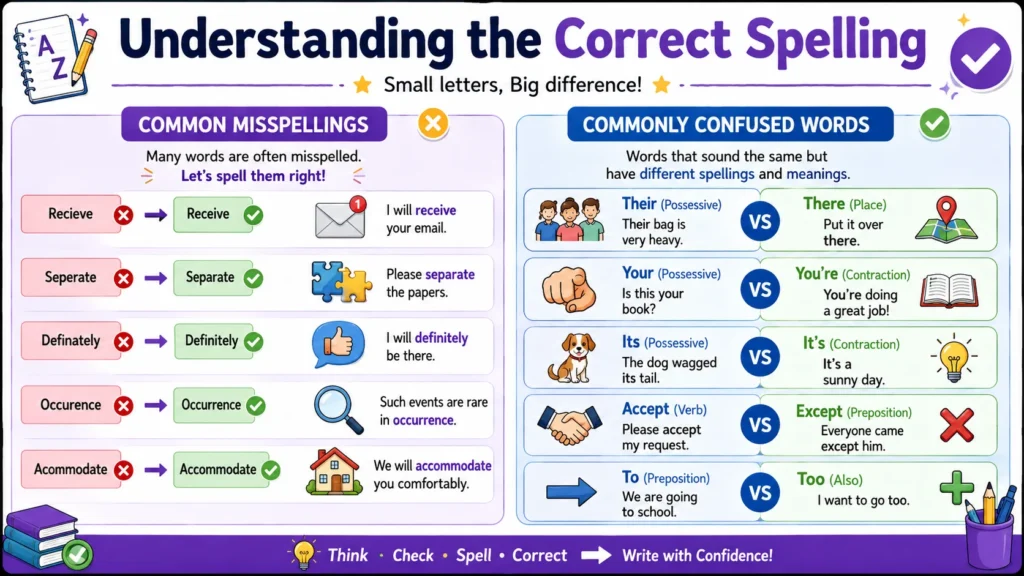
Understanding the Correct Spelling
Why “Training” is Correct
The word training is the standard, accepted form in modern English. It follows the grammatical pattern of adding “-ing” to a verb to show a continuous action or process. For example:
- I am training for a marathon.
- The company is training new employees in leadership skills.
Adding an extra “n,” as in trainning, is unnecessary and grammatically incorrect. It’s not recognized by dictionaries or professional style guides.
Why “Trainning” is Incorrect
People often make this mistake because of how the word sounds. When you pronounce it, the “n” sound seems longer, which may tempt writers to double it. Another reason is confusion with other verbs like “running” or “swimming,” which do double consonants before adding “-ing.” However, train do not follow this pattern, so doubling the “n” is wrong.
Using trainning can make writing look unprofessional and careless, especially in formal or workplace contexts.
The Origin and Meaning of “Training”
Etymology
The word train comes from Middle English trainen, which itself came from Old French trainer, meaning “to pull” or “to drag.” Originally, it referred to the act of pulling horses or people along. Over time, its meaning expanded to include teaching, coaching, and skill development.
Definition
Training is the process of teaching, preparing, or developing someone’s skills. Its usage spans multiple fields:
- Professional training: Enhancing workplace skills.
- Educational training: Learning new techniques in schools or colleges.
- Sports and fitness training: Improving physical performance.
- Military and emergency training: Preparing personnel for specific duties.
In essence, training is about growth, preparation, and continuous improvement.
Common Contexts for “Training”

The word training appears in everyday and professional life. Some examples include:
- Workplace Training: Orientation programs, leadership workshops, technical skill development.
- Academic Training: Laboratory sessions, research assistantships, internships.
- Sports Training: Marathon preparation, weightlifting routines, football practice.
- Military Training: Boot camps, survival exercises, tactical drills.
Example Sentences:
- She completed a six-month training program in project management.
- The athletes undergo daily training to stay competitive.
- Proper training is essential for emergency response teams.
These examples show that training is versatile but always spelled with a single “n.”
Why Spelling Accuracy Matters

Professional Credibility
A small spelling mistake can damage your professional image. Consider sending a resume or email that says:
I am looking forward to completing leadership trainning.
Even if the content is strong, this error signals carelessness and reduces trust. Employers, clients, and colleagues notice details like this.
Real-World Consequences
Spelling errors can lead to:
- Job rejection: HR managers see mistakes as lack of attention to detail.
- Reduced client confidence: Written proposals with errors can appear unprofessional.
- Academic penalties: Teachers and professors deduct points for careless spelling in formal papers.
Case Study: A survey by CareerBuilder found that 58% of employers would reject a candidate’s resume for spelling or grammatical errors. That’s over half of potential opportunities lost.
Communication Clarity
Correct spelling ensures your message is clear. Writing trainning may confuse readers or make them question your knowledge. Accuracy helps you convey authority and professionalism.
Side-by-Side Comparison

| Feature | Training | Trainning |
| Spelling | Correct | Incorrect |
| Origin | Middle English | N/A |
| Usage | Formal, professional, educational, sports | Common misspelling |
| Credibility | Maintains professionalism | Undermines professionalism |
| Examples | “I completed leadership training.” | “I completed leadership trainning.” |
Observation: Always use training in professional, academic, and casual contexts.
Tips for Remembering the Correct Spelling

Mnemonics and Memory Aids
- Think of “train + ing” as a moving train: it keeps going, no double “n” needed.
- Visualize a railway track: one train, one “n.”
- Use word games like flashcards or spelling apps to reinforce the correct form.
Pronunciation Rules
The long “n” sound may trick you into doubling it. Remember, words like running double the “n” because the base word ends with a short vowel sound. Train ends with a vowel + consonant sound, so no doubling is required.
Common Misspelling Patterns
Other frequent errors include:
- traing
- trining
- trainnig
To avoid mistakes:
- Proofread your work carefully.
- Use spellcheck but don’t rely on it entirely.
- Read your sentences aloud to hear if it sounds correct.
Special Cases

Applications Requiring Accuracy
Certain forms, like California Training Benefits (CTB) applications, require precise spelling. Even small errors can cause delays or rejections. Accuracy in these documents is essential for professional or financial purposes.
Importance Across Industries
- HR and corporate training: Errors in reports or applications can reduce credibility.
- Healthcare and certifications: Miswritten forms may affect compliance and certification approval.
- Education: Misspelling in assignments or publications can impact grades or peer perception.
Spelling may seem minor, but in real-world contexts, it has tangible consequences.
Conclusion
Spelling may look like a small detail, but it plays a big role in how your writing is understood. The difference between training and trainning is simple—only one is correct. Still, this common mistake appears often because English rules can feel unclear at times. Once you understand the pattern and practice it, the confusion disappears.From emails to professional documents, using the correct spelling helps you communicate with clarity and confidence. It also builds a stronger impression in academic and workplace settings. When in doubt, remember: training follows standard English patterns, while trainning does not. A small correction can make a big difference.
FAQs
Q1. Is “trainning” ever correct?
No, trainning is always incorrect. The correct spelling is training.
Q2. Why do people confuse “training” and “trainning”?
This happens due to confusion about double consonant rules in English.
Q3. What is the correct form to use?
The correct form is always training in both writing and professional use.
Q4. Does this mistake affect professionalism?
Yes, a spelling mistake can reduce clarity and impact your professional image.
Q5. How can I avoid this error?
Use regular practice, review your writing, and remember the base word train + ing = training.
