
The spelling debate of Challenge or Challange creates confusion for writers because the correct challenge spelling builds clarity in communication. Many people make this spelling mistake because the words look similar, but challange is a common misspelling in English. In professional, academic, and casual writing, using the correct word helps maintain accuracy, improves trust with readers, and makes documents, emails, and articles appear more polished.
Understanding grammar, vocabulary, and orthography helps students, learners, and professionals develop stronger writing skills. Through practice, learning, and repeated usage, writers can improve recognition, retention, and remember the correct form naturally. Paying attention to spelling rules, context, audience, and word choice reduces unnecessary errors and builds greater confidence in everyday communication.
A careful approach to writing prevents a careless slip and improves overall language ability. When writers focus on precision, attention, and correct spelling, they create a stronger message with better quality. Developing spelling knowledge through regular practice helps avoid mistakes and supports clearer formal writing across different situations.
The Correct Spelling: “Challenge”
The correct spelling of the word is challenge, both in American and British English. It can function as a noun or a verb, and its usage depends on the context.
As a Noun:
- Definition: Something that tests a person’s abilities, skills, or resources.
- Examples:
- “Completing the marathon was a huge challenge for her.”
- “The company faces several financial challenges this year.”
As a Verb:
- Definition: To dispute, question, or engage in a test of ability.
- Examples:
- “He challenged his team to improve their performance.”
- “The new evidence challenges the initial assumptions.”
Pronunciation tip: /ˈtʃæl.ɪndʒ/ – the “e” at the end is subtle but crucial.
Using the correct spelling not only ensures clarity but also projects professionalism and confidence in your writing.
Where the Confusion Comes From
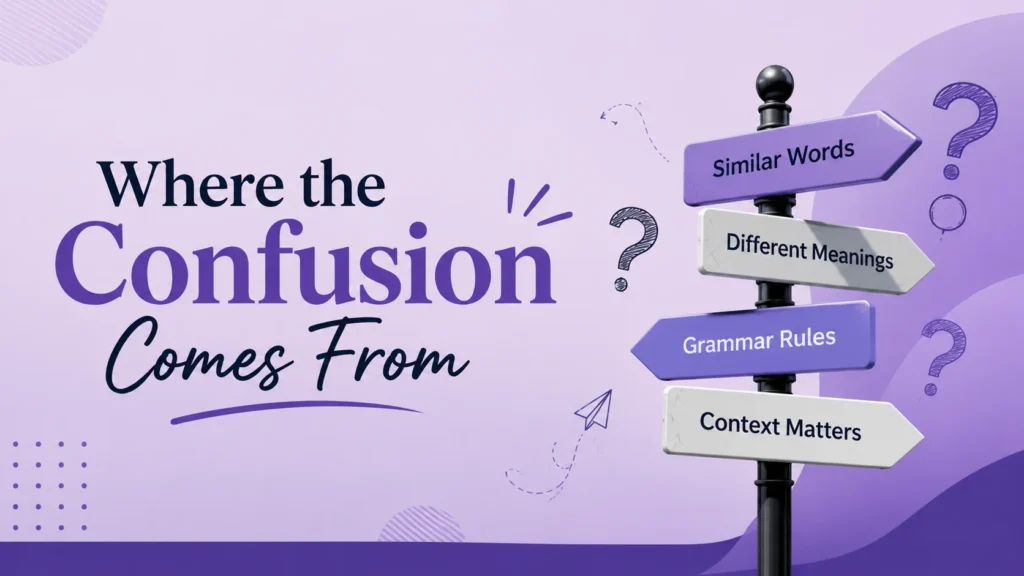
So why do so many people write “challange”? There are several reasons:
- Phonetic Spelling: The way challenge sounds encourages people to substitute an “a” for the “e.”
- Typing Errors: Quick typing or autocorrect can lead to the wrong vowel.
- Similar Words: Words like change, chance, or lounge influence the incorrect spelling.
- Regional Differences: Even though “challange” is incorrect universally, informal communication in certain circles sometimes tolerates the error.
It’s easy to see how one small mistake in spelling can snowball, affecting more than just a single word.
Is “Challange” Ever Correct?
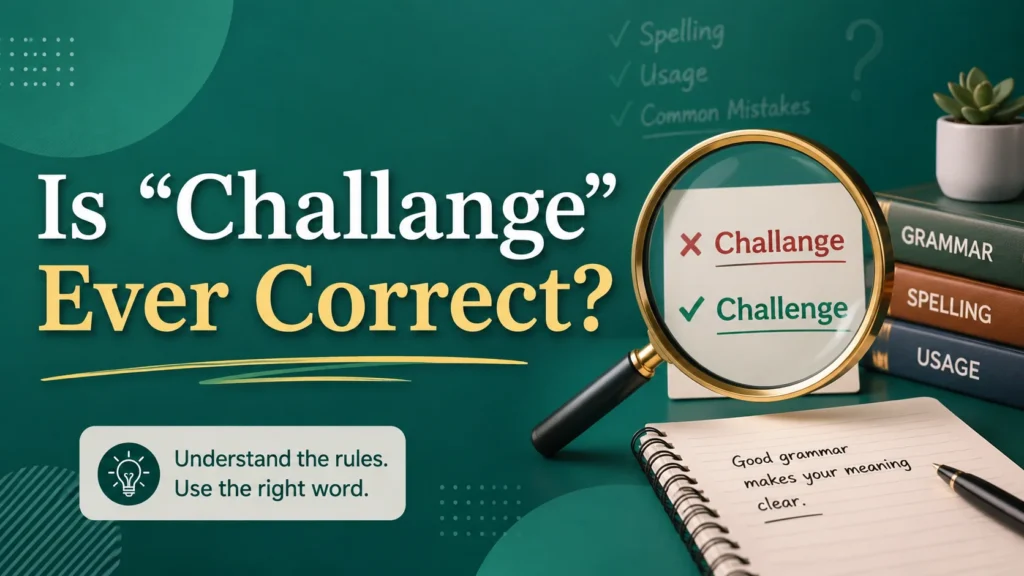
Simply put, “challange” is never correct in modern standard English. No dictionary or credible style guide accepts this spelling.
Even historical or obsolete texts consistently favor challenge, though handwriting or typographical quirks may have occasionally created variations. Using “challange” in professional or academic contexts signals carelessness and can confuse readers.
Key takeaway: Stick with challenge every time.
Common Mistakes and Misuses
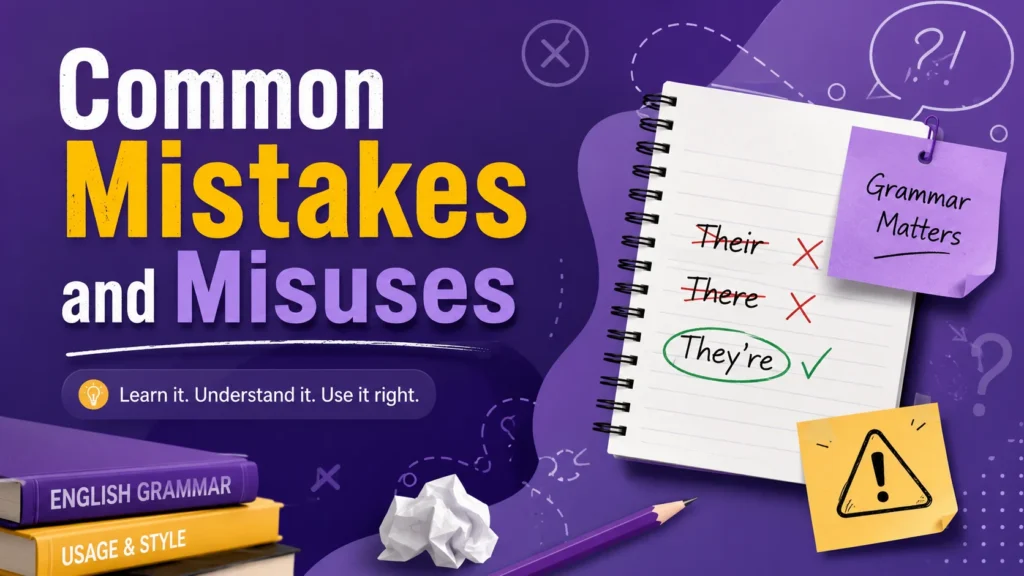
Understanding how people miswrite challenge helps reinforce the correct spelling. Here’s a look at the most frequent mistakes:
| Incorrect Usage | Correct Usage | Explanation |
| “I accept the challange.” | “I accept the challenge.” | Adding “a” instead of “e” is the most common error. |
| “This is a difficult challange.” | “This is a difficult challenge.” | Misplacement of the vowel makes the word look unprofessional. |
| “He challanged me to a duel.” | “He challenged me to a duel.” | Verb form must also follow the correct spelling rules. |
| “The project comes with many challanges.” | “The project comes with many challenges.” | Plural form still keeps “e” intact. |
Notice that the mistakes often occur due to phonetics or rapid typing. Identifying these patterns helps you avoid them.
Practical Tips to Remember the Correct Spelling
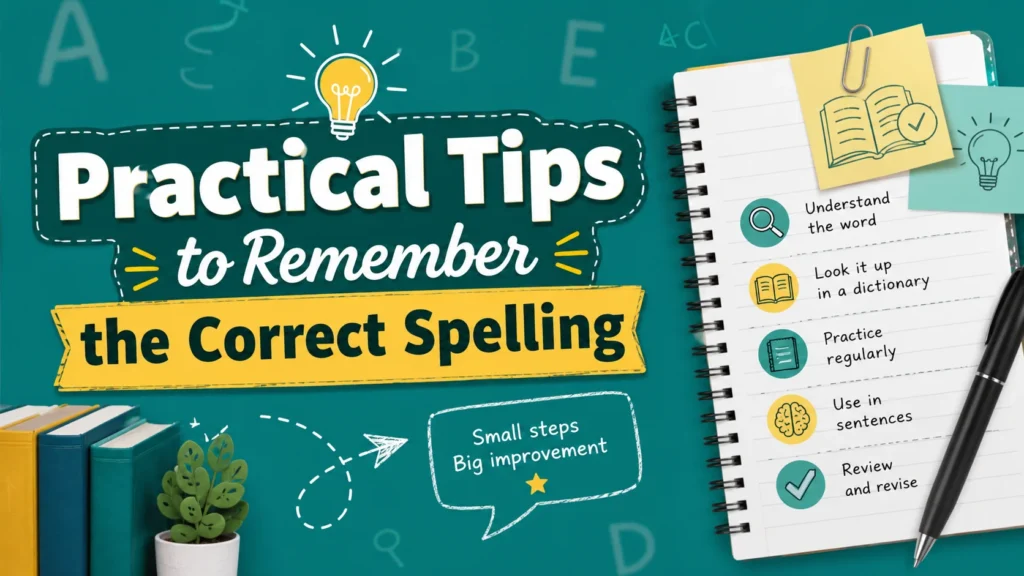
Memorizing spelling can feel tedious, but these strategies work effectively:
- Mnemonic Device: Think of the word as “chal + lenge,” where the “e” reminds you of effort.
- Visual Aid: Write it out multiple times, highlighting the e before the “nge.”
- Break into Syllables: chal-lenge – emphasizing the ending sound.
- Spellcheck Awareness: Don’t blindly trust spellcheck; sometimes it misses mistakes in context.
- Context Practice: Use the word in sentences regularly to reinforce correct usage.
Example trick: “Every challenge has an e for effort.” Short, simple, and easy to recall.
Examples to Understand Better

Seeing challenge in real-life contexts helps solidify the correct spelling:
- Professional:
- “The CEO issued a challenge to increase productivity by 20% this quarter.”
- Academic:
- “Writing a thesis can be a significant challenge for most students.”
- Casual/Social:
- “Cooking a five-course meal was a real challenge, but it was fun!”
Even small mistakes can make writing appear sloppy. Imagine reading: “I accept the challange.” It disrupts the flow and diminishes trust in your writing.
Why Using the Correct Spelling Matters
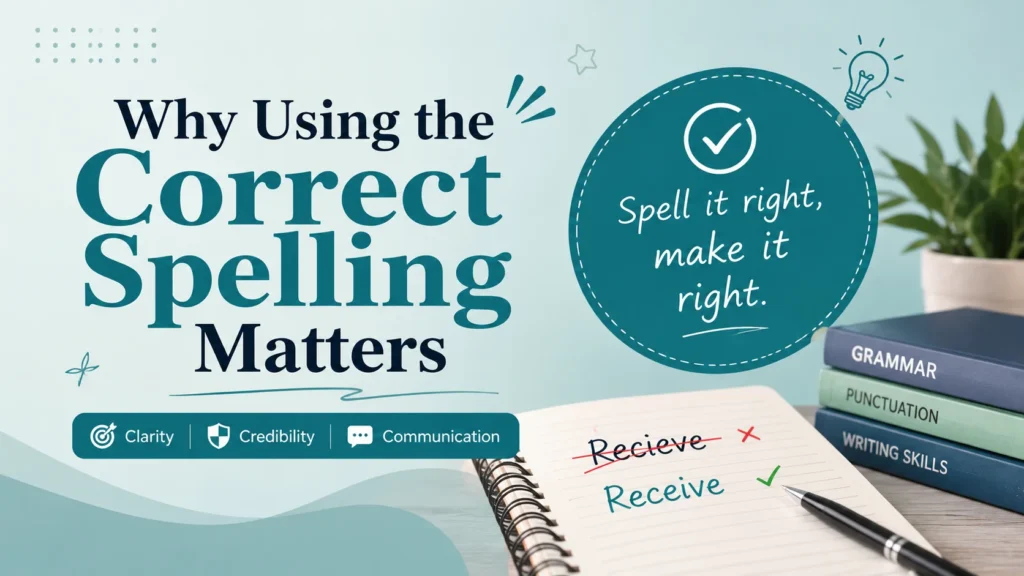
Correct spelling is more than a grammatical concern; it affects perception:
- Professional Credibility: Spelling mistakes can make emails, resumes, or reports appear careless.
- Reader Understanding: Miswritten words can confuse readers or slow comprehension.
- Personal Brand: Accuracy in language reflects attention to detail and intelligence.
A 2018 survey by Grammarly found that 96% of respondents judged someone’s professionalism based on written communication. Spelling errors were the top factor affecting perception. Using challenge correctly reinforces authority and clarity.
Conclusion
In the end, the difference between challenge and challange comes down to simple spelling accuracy, but its impact on writing is much bigger. Using the correct form shows attention to detail, strengthens your credibility, and keeps your message clear. With regular practice, awareness of spelling patterns, and careful proofreading, you can avoid this common mistake and write with confidence in any situation.
FAQs
Q1. Is “challange” ever correct in English?
No, challange is always incorrect. The correct spelling is challenge in all contexts.
Q2. Why do people confuse challenge and challange?
People confuse them because they sound similar when spoken, and fast typing or lack of attention leads to spelling errors.
Q3. What does the word “challenge” mean?
Challenge can mean a difficult task, a test of ability, or a competition depending on the context.
Q4. How can I remember the correct spelling of challenge?
Focus on the “-enge” ending and practice using the word in sentences to build memory through repetition.
Q5. Does spelling really affect professional writing?
Yes, correct spelling improves clarity, builds trust, and makes your writing look more professional and reliable.
