
Many people pause when they see Potatoes or Potatos in texts, social media, and posts, wondering which is correct, and from personal experience, even careful writers slip while drafting shopping lists, a recipe, or preparing notes for dinner, so to grasp spelling of the plural potato, rules are essential, because knowing the difference helps you write confidently, avoid mistakes, and maintain a professional tone in contexts, as even a trivial or careless detail strongly influences how readers perceive your attention to detail, and while I proofread a menu, grocery list, or client text that appeared multiple times, it made the text look sloppy
These missteps in writing, whether formal reports or informal digital content, can reduce credibility, so this following guide focuses on discovering history, remembering patterns, and ensuring usage stays proper and suited to common practice, because English is unique, full of quirks, shaped by pluralisation, language usage, and evolving patterns, making it a fascinating mix of linguistics, grammar, and orthography in textual communication, even in meme culture, and by understanding potatoes and potatos, learners gain benefits in educational writing, instructions, and analysis, where historical lexicon, practical examples, and literacy learning help in clarifying guidance and internalising correct forms
The difference may seem simply about spelling, yet many stay confused until they learn the better one, and this section explains why it matters in standard English you use daily, as similar words follow patterns, However, this case exists because English becomes clearer when you get everything about the word, and over time, only Understanding this rule removes doubts, so people wonder, sometimes need clear answers to celebrate a delicious potato dinner, and among two forms, or the correct one, the answer is simple, in English follow the rule, since some words add -s, while others need -es, and Knowing this rule makes things easier, so you will learn why it works, also discover what happens behind it, Plus see real-life examples, use memory tricks, apply expert tips, and By the end, never confuse them again
Understanding the Confusion Between ‘Potatoes’ and ‘Potatos’
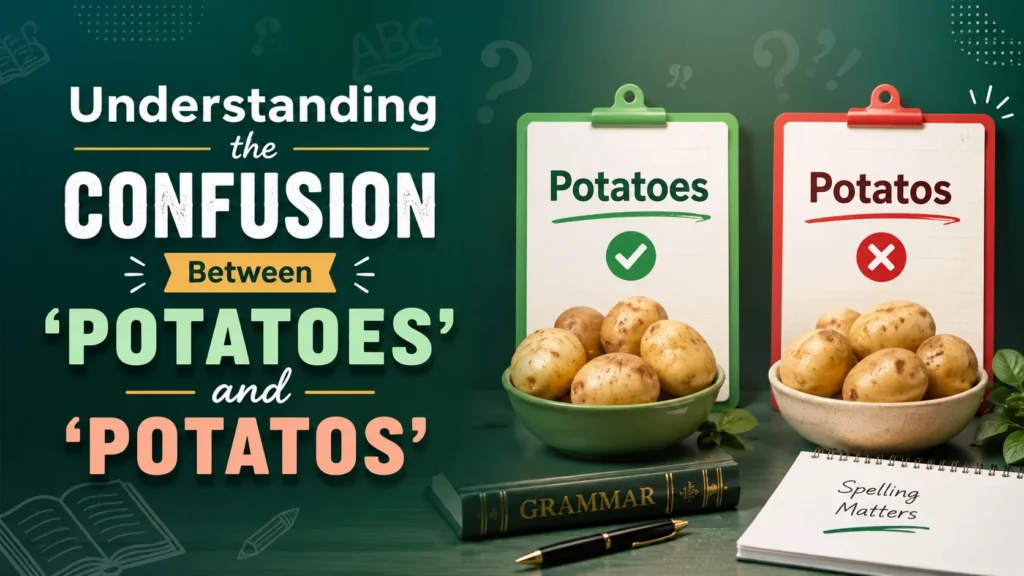
English is full of quirky spelling rules, and the potato is no exception. The confusion between “potatoes” and “potatos” arises mainly from the rules for pluralising nouns that end with the letter “o.” While many English words add just -s for the plural, words like “potato” take -es.
People often type “potatos” because it seems simpler, and in casual texting, spelling shortcuts are common. Even native English speakers sometimes slip. This issue also appears in informal writing, online comments, and early education exercises. Understanding why this mistake happens can help you avoid it.
The word “potato” itself comes from the Spanish word “patata,” which evolved into English through trade in the 16th century. This historical journey helps explain why the plural isn’t just “potatos” but the more traditional “potatoes.”
What Are ‘Potatoes’?
Potatoes is the correct plural form of potato. It’s the word you’ll find in dictionaries, cookbooks, and official documents.
- Definition: The edible tuber that is a staple in diets worldwide.
- Pluralization rule: Nouns ending in “o” preceded by a consonant often take -es (potato → potatoes, tomato → tomatoes).
- Formal usage: Always used in academic, professional, and published writing.
Examples of Correct Usage
- I bought potatoes from the farmers’ market for dinner.
- Roasted potatoes are my favorite side dish.
- The recipe calls for three large potatoes.
Fun Fact
The potato is the world’s fourth largest food crop, after rice, wheat, and maize. It provides essential nutrients such as vitamin C, potassium, and fiber, making it both delicious and healthy.
What Are ‘Potatos’?
Potatos is incorrect in standard English. Despite its frequent use in informal writing, it does not appear in dictionaries or professional sources.
- Definition: A common misspelling of “potatoes.”
- Why it happens:
- Simplification of the plural ending.
- Lack of awareness of English plural rules.
- Typographical errors or autocorrect mishaps.
Examples of Incorrect Usage
- I love eating mashed potatos with butter.
- She baked some potatos for lunch.
Even though people understand what “potatos” means, using it in formal writing can reduce your credibility. Remember: professional and academic contexts require “potatoes.”
Rules for Pluralizing Words Ending with ‘O’
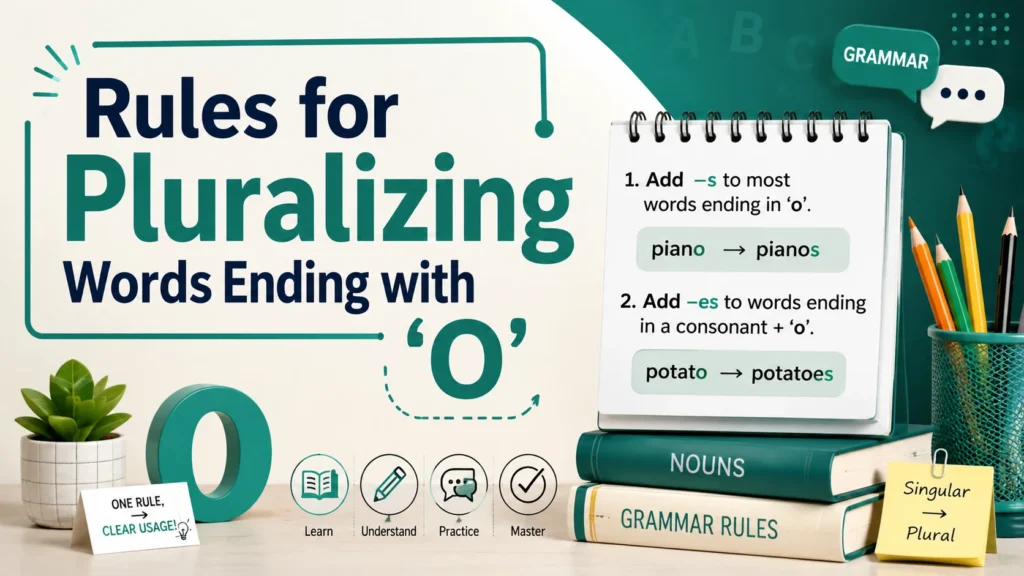
English has inconsistent rules for words ending in “o,” which is why many people get confused. Here’s a quick guide:
| Word Ending | Plural Form | Rule/Note |
| potato | potatoes | Add -es for words ending with consonant + o |
| tomato | tomatoes | Same as above |
| hero | heroes | Add -es |
| piano | pianos | Exception: add -s |
| photo | photos | Exception: add -s |
| roof | roofs | Add -s (does not end in “o” preceded by consonant) |
Key Takeaways
- Most nouns ending in a consonant + “o” take -es.
- Many exceptions exist, especially for words borrowed from other languages (piano, photo).
- Memorizing these patterns helps reduce spelling errors significantly.
Side-by-Side Comparison of ‘Potatoes’ vs ‘Potatos’
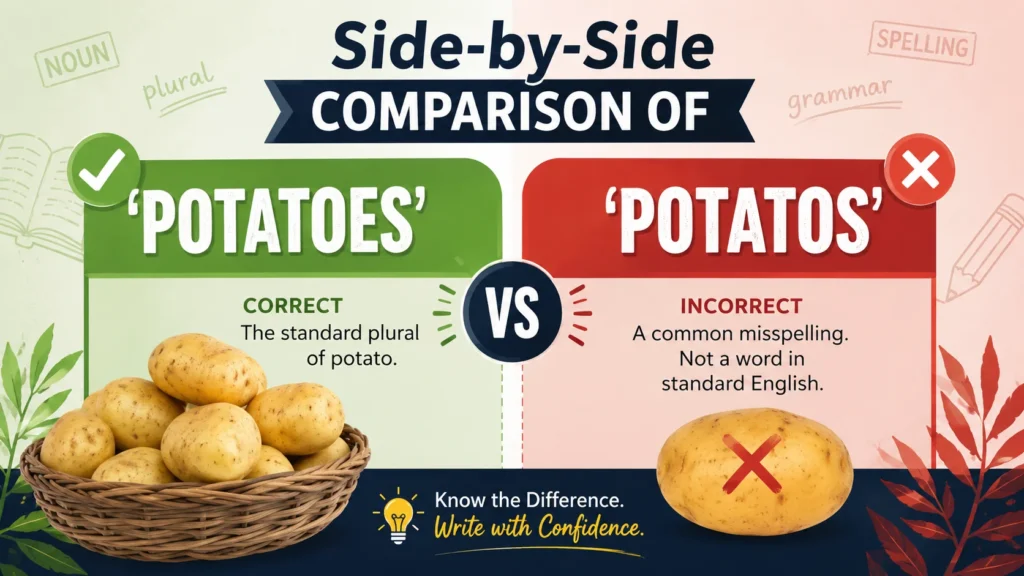
Here’s a quick reference to clarify the difference:
| Word | Correct? | Usage Context | Example Sentence |
| potatoes | ✅ Correct | Formal, casual | I added potatoes to the stew. |
| potatos | ❌ Incorrect | Informal, mistaken | I added potatos to the stew. |
Bottom line: Always use potatoes in writing to stay accurate.
Everyday Examples and Common Mistakes
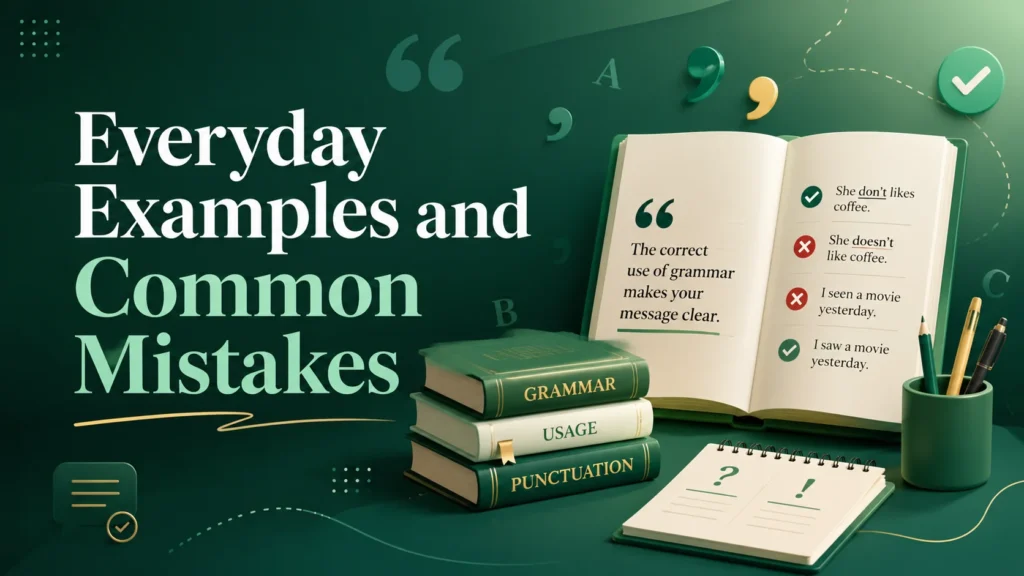
Even experienced writers can slip. Here are some common mistakes and corrections:
- Incorrect: I need to peel the potatos.
Correct: I need to peel the potatoes. - Incorrect: Mashed potatos are perfect for Thanksgiving.
Correct: Mashed potatoes are perfect for Thanksgiving.
Tips to Remember the Correct Spelling
- Mnemonic: “Potatoes take -es like tomatoes.”
- Think of foods ending in -oes in recipes—they almost always follow this rule.
- Read aloud: If it sounds like it needs an extra syllable, you probably need -es.
Conclusion
Choosing between potatoes and potatos becomes easy once you understand the rule. The correct plural form is potatoes, and using it consistently helps your writing look clear, polished, and professional. Small spelling details can make a big difference in how readers judge your work, whether it’s a casual post or formal content. By learning and applying this simple rule, you avoid common mistakes and build stronger confidence in your writing.
FAQs
Q1. Is “potatos” ever correct in English?
No, potatos is not correct in standard English. The correct plural form is potatoes.
Q2. Why does “potato” become “potatoes”?
Because words ending in -o often take -es to form plurals, especially in common nouns like potato.
Q3. Are there exceptions to the -o plural rule?
Yes, some words just add -s (like “photos” or “pianos”), so English can be inconsistent.
Q4. How can I remember the correct spelling?
Think: potato → add “es” → potatoes. A simple memory trick is “potato need extra letters.”
Q5. Does using the wrong spelling really matter?
Yes, even small errors can affect credibility and make writing look careless, especially in professional or academic contexts.
